Posts

Showing posts with the label anti acne treatment

Acne Scars: Prevention and Treatment Options
Image
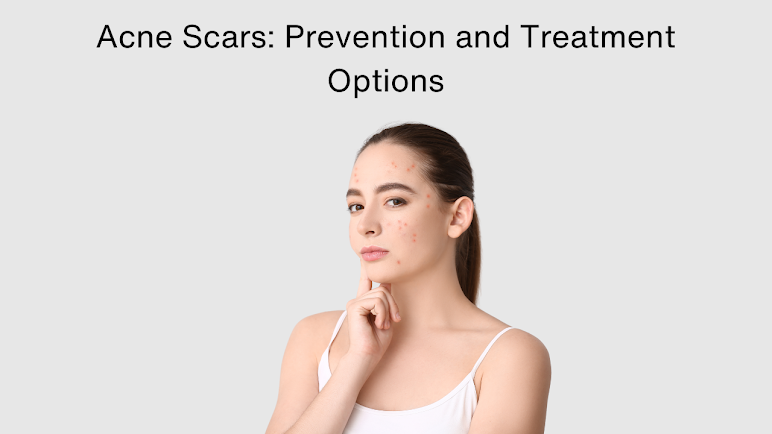
Acne scars can be a persistent reminder of past breakouts, affecting not just the skin's appearance but also an individual's self-esteem and confidence. While prevention is always preferable, sometimes acne scars are inevitable. However, understanding prevention strategies and treatment options can help manage and minimize their appearance, restoring a smoother and more even complexion. Prevention Strategies: Proper Skincare Routine: Maintaining a consistent skincare routine is key to preventing acne scars. This includes gentle cleansing twice daily with a mild cleanser suitable for your skin type. Avoid Picking or Squeezing: It's tempting to pick at acne, but this can worsen inflammation and increase the risk of scarring. Hands can introduce bacteria to the affected area, leading to infection and subsequent scarring. Use Non-Comedogenic Products: Opt for skincare and makeup products labeled as non-comedogenic, meaning they're less likely to clog pores and ca...


Acne Scars: Prevention and Treatment Options

Image
Acne scars can be a persistent reminder of past breakouts, affecting not just the skin's appearance but also an individual's self-esteem and confidence. While prevention is always preferable, sometimes acne scars are inevitable. However, understanding prevention strategies and treatment options can help manage and minimize their appearance, restoring a smoother and more even complexion. Prevention Strategies: Proper Skincare Routine: Maintaining a consistent skincare routine is key to preventing acne scars. This includes gentle cleansing twice daily with a mild cleanser suitable for your skin type. Avoid Picking or Squeezing: It's tempting to pick at acne, but this can worsen inflammation and increase the risk of scarring. Hands can introduce bacteria to the affected area, leading to infection and subsequent scarring. Use Non-Comedogenic Products: Opt for skincare and makeup products labeled as non-comedogenic, meaning they're less likely to clog pores and ca...
Acne in Different Life Stages: Teenage Acne vs. Adult Acne

Image
Acne, the bane of many individuals' existence, manifests differently across various stages of life. Whether you're navigating the tumultuous waters of adolescence or traversing the complexities of adulthood, acne can persist as a persistent reminder of our skin's delicate balance. Understanding the nuances between teenage acne and adult acne is crucial for effective management and treatment. Teenage Acne: The Rite of Passage For many, adolescence heralds the onset of acne, marking a transitional phase from childhood to adulthood. Teenage acne typically emerges during puberty, triggered by hormonal fluctuations that stimulate the sebaceous glands to produce excess oil. This surplus oil, combined with dead skin cells, forms clogs within hair follicles, leading to the formation of comedones—commonly known as blackheads and whiteheads. The forehead, nose, and chin, collectively referred to as the T-zone, are prime real estate for teenage acne. Hormonal surges, particular...

Understanding Acne: Causes, Types, and Triggers

Image
Acne, a common skin condition, affects millions of individuals worldwide, often causing physical and emotional distress. Understanding the causes, types, and triggers of acne is crucial for effective management and treatment. This comprehensive guide explores the intricate facets of acne to shed light on its complexities. Causes of Acne: Acne arises from a combination of factors, primarily involving the hair follicles and oil glands in the skin. Here are the main contributors: Excess Sebum Production: Sebaceous glands produce an oily substance called sebum, which helps keep the skin lubricated. However, excessive sebum production can lead to clogged pores and acne formation. Bacteria: Propionibacterium acnes (P. acnes), a type of bacteria that thrives on the skin, plays a role in acne development. When pores become clogged with excess sebum and dead skin cells, P. acnes can multiply and trigger inflammation. Inflammation: Inflammation is a key component of acne. When the body's ...

The Science Behind Acne: Understanding the Formation of Pimples

Image
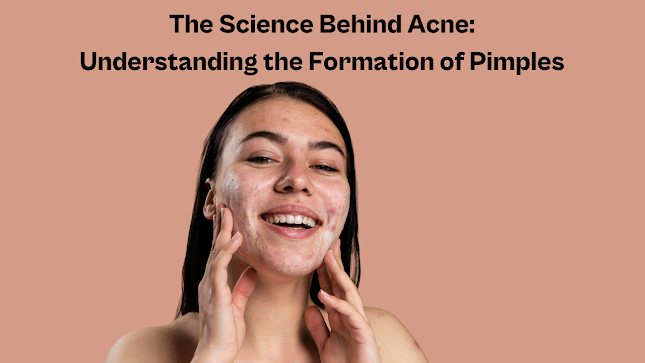
Acne, a common skin condition affecting millions worldwide, is often a source of frustration and self-consciousness. While it primarily manifests as pimples on the skin's surface, the underlying causes are rooted in complex biological processes. In this comprehensive exploration, we delve into the science behind acne, unraveling the mechanisms that lead to the formation of those pesky pimples. Anatomy of the Skin: To comprehend the science of acne, it's crucial to first understand the basic anatomy of the skin. The skin is the body's largest organ, consisting of three layers: the epidermis, dermis, and subcutaneous tissue. The epidermis is the outermost layer, acting as a protective barrier against external factors. Role of Sebaceous Glands: At the heart of acne formation lies the sebaceous glands, which are distributed throughout the skin. These glands produce an oily substance known as sebum, a key player in the development of acne . Sebum's primary function is to moi...